
How Fast Should an Ambulance Arrive During an Emergency?
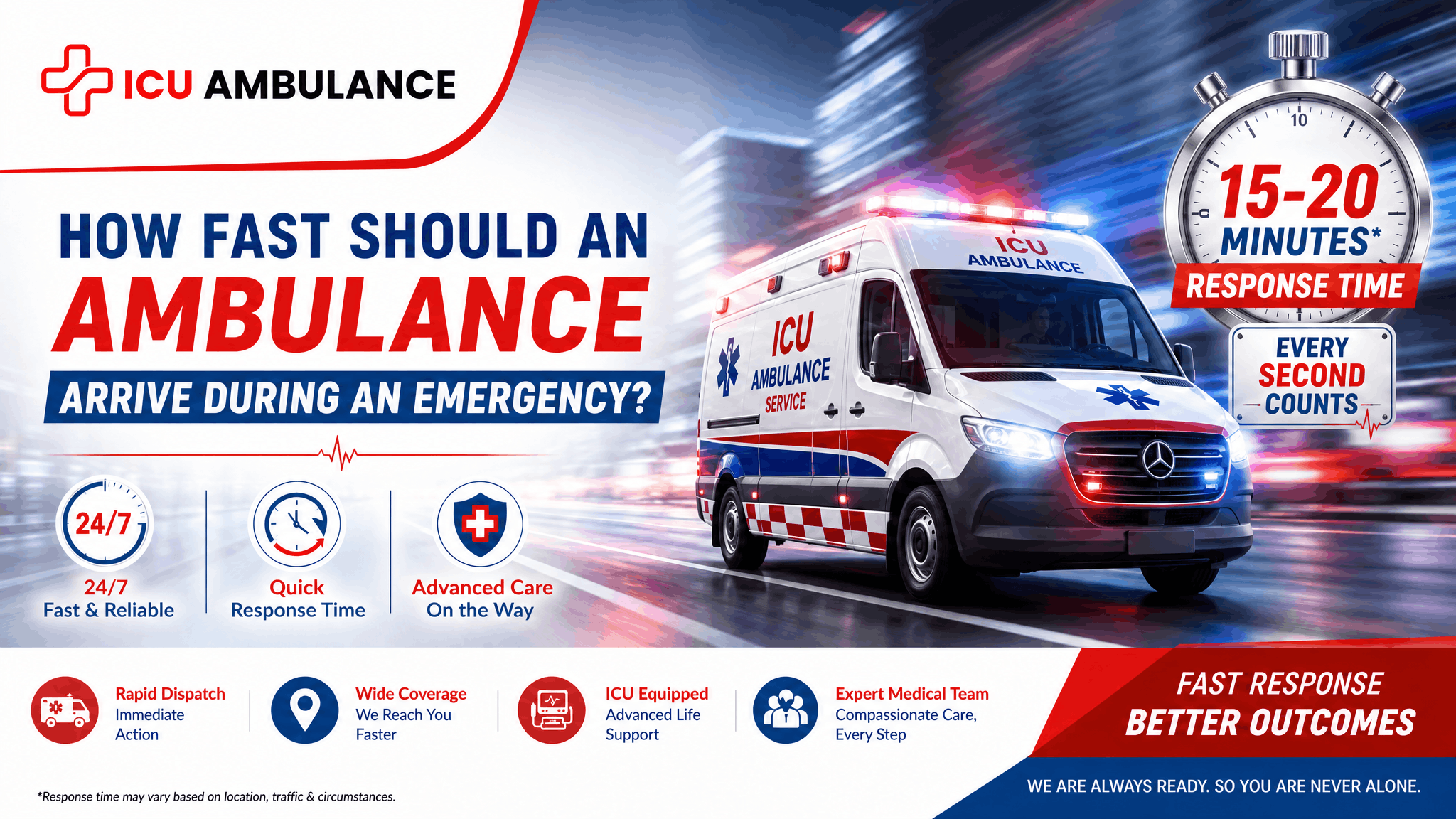
How Fast Should an Ambulance Arrive During an Emergency?
When a medical emergency occurs, every second matters. Whether it is a heart attack, stroke, severe injury, road accident, or respiratory distress, the speed at which medical help arrives can significantly impact a patient's survival and recovery. One of the most common questions people ask during a crisis is: How fast should an ambulance arrive during an emergency? While response times can vary depending on location, traffic conditions, and the severity of the situation, the goal of modern Emergency Ambulance Services is to reach patients as quickly as possible and provide immediate medical care.
Fast ambulance response is not just about transportation; it is about delivering life-saving treatment at the earliest opportunity. Professional Emergency Medical Services are designed to ensure that trained medical personnel, advanced equipment, and emergency support reach the patient without delay. In critical situations, a quick response can mean the difference between life and death.
Why Ambulance Response Time Matters
Medical emergencies often involve conditions where immediate intervention is necessary. During a heart attack, the heart muscle begins to suffer damage within minutes. In the case of a stroke, brain cells start dying rapidly if blood flow is not restored. Severe trauma from accidents can result in excessive bleeding, while respiratory emergencies can lead to oxygen deprivation.
This is why 24/7 Ambulance Services prioritize rapid response and immediate patient care. A quick arrival allows paramedics to assess the situation, stabilize the patient, and begin treatment before reaching the hospital. The sooner professional care begins, the better the chances of reducing complications and improving outcomes.
What Is Considered a Good Ambulance Response Time?
Response time refers to the period between receiving an emergency call and the ambulance arriving at the patient's location. In urban areas, many healthcare systems aim for an ambulance response time of approximately 8 to 15 minutes for life-threatening emergencies. In rural or remote locations, response times may be longer due to distance and accessibility challenges.
However, regardless of the exact timeframe, the primary objective of Emergency Medical Transportation providers is to reach patients as quickly as possible while maintaining safety and preparedness. Efficient dispatch systems, GPS tracking, and experienced emergency teams help improve response times and ensure patients receive timely care.
Factors That Affect Ambulance Arrival Time
Several factors can influence how quickly an ambulance reaches a patient during an emergency. Understanding these factors can help individuals appreciate the challenges emergency responders face.
Traffic Conditions
Heavy traffic is one of the most common causes of delayed ambulance arrival. Congested roads can make it difficult for emergency vehicles to navigate quickly. Modern Emergency Ambulance Services often use GPS technology and route optimization systems to identify the fastest path to the patient.
Distance from the Nearest Ambulance
The location of the emergency relative to the nearest available ambulance significantly impacts response time. Areas with multiple ambulance stations generally experience faster service compared to remote locations.
Nature of the Emergency
Some emergencies require specialized vehicles and medical teams. For example, ICU Ambulance Services or Ventilator Ambulance Services may need additional preparation before dispatching, especially if advanced equipment or critical care staff are required.
Weather Conditions
Extreme weather, including heavy rain, fog, storms, or flooding, can affect road conditions and slow ambulance movement. Despite these challenges, emergency responders strive to reach patients as quickly and safely as possible.
The Golden Hour in Emergency Medicine
Healthcare professionals often refer to the “golden hour” when discussing emergency treatment. This critical period following a traumatic injury or severe medical event is when prompt care can significantly improve survival rates.
During this time, Emergency Response Teams focus on stabilizing the patient, controlling bleeding, managing airways, and preventing further complications. Fast access to Critical Care Ambulance Services during the golden hour can dramatically improve patient outcomes and reduce the risk of long-term disability.
How Ambulance Services Provide Immediate Care
Many people assume ambulances simply transport patients to hospitals. In reality, modern ambulances function as mobile treatment units. Today's Advanced Life Support Ambulance vehicles are equipped with sophisticated medical equipment capable of handling a wide range of emergencies.
Paramedics can administer oxygen, monitor vital signs, perform CPR, manage trauma injuries, provide medication, and operate advanced life-support systems. This level of Emergency Medical Assistance ensures that treatment begins immediately rather than waiting until arrival at a healthcare facility.
Specialized Ambulance Services for Critical Patients
Certain medical situations require highly specialized transportation. Patients suffering from severe cardiac conditions, respiratory failure, or critical illnesses may need advanced support throughout their journey.
ICU Ambulance Services
ICU Ambulance Services are designed to transport critically ill patients who require intensive care monitoring. These ambulances are equipped with advanced life-support equipment and staffed by trained healthcare professionals capable of managing complex medical conditions.
Cardiac Ambulance Services
Heart-related emergencies often require specialized care. Cardiac Ambulance Services include advanced cardiac monitoring systems, defibrillators, and emergency medications to stabilize patients experiencing heart attacks or cardiac arrest.
Ventilator Ambulance Services
Patients with severe respiratory conditions often rely on Ventilator Ambulance Services for safe transportation. These ambulances provide continuous respiratory support and monitoring throughout the journey.
The Role of Technology in Faster Ambulance Response
Technological advancements have significantly improved ambulance response times. Modern Medical Transportation Services utilize GPS tracking, digital communication systems, and automated dispatch platforms to streamline operations.
Emergency call centers can instantly identify the nearest available ambulance and provide real-time navigation assistance. Hospitals can also receive patient information before arrival, allowing medical teams to prepare for treatment in advance. These innovations contribute to faster and more effective Emergency Healthcare Services.
Community Cooperation Can Save Lives
Public cooperation plays a vital role in ensuring ambulances reach emergencies quickly. Drivers should immediately give way to ambulances using sirens and emergency lights. Even a small delay caused by blocked roads can affect patient outcomes.
Awareness about emergency procedures, recognizing warning signs of serious medical conditions, and promptly calling Emergency Ambulance Services can help save lives. Communities that support emergency response systems contribute significantly to better healthcare outcomes.
Choosing a Reliable Ambulance Service
When selecting an ambulance provider, it is important to consider factors such as response time, equipment quality, staff expertise, and service availability. Reliable 24-Hour Emergency Ambulance providers maintain well-equipped vehicles, trained medical personnel, and efficient dispatch systems to ensure rapid assistance during emergencies.
Whether for emergency response, Patient Transfer Ambulance services, or Hospital Transfer Ambulance needs, choosing a trusted provider can make a significant difference in patient safety and care quality.
Conclusion
The speed of ambulance arrival during an emergency can have a direct impact on patient survival and recovery. While response times vary depending on location and circumstances, professional Emergency Ambulance Services strive to reach patients as quickly as possible and provide immediate medical care. Through Fast Ambulance Response, advanced medical equipment, skilled paramedics, and specialized services such as ICU Ambulance Services, Cardiac Ambulance Services, and Critical Care Ambulance Services, ambulance providers play a crucial role in saving lives every day.
When medical emergencies occur, timely access to Emergency Healthcare Support, Emergency Patient Transport, and Life-Saving Ambulance Services ensures that patients receive the care they need when every second counts.